About
Seven years of building software, and one app of my own.
I've worked across IoT, web and mobile — front-end interfaces, back-end architecture, and the deployment pipelines in between. I've never been much use as a specialist. The work I do best is the kind that needs the whole system in view at once.
Two of the last three jobs have started at a sensor — poultry barns, then water meters — and the rest of the time I'm somewhere between an Angular component and a cloud function.
The path so far
Nearly six years across two products. Sonar is the IoT side — barn sensors tracking temperature, humidity, ammonia, CO₂, feed inventory and weight, alerting a grower the moment a house drifts out of range, and feeding machine-learning models that predict live weight from feed data instead of bird scales. A bird check takes half an hour per house and a farm has five or six of them, so the point of the product is that nobody has to walk all of them to find the one with a problem.
Amino is the other half: planning, forecasting, inventory and financials in one system, with traceability from hatch to processing, used by producers from North America to Asia. It has the weight of an ERP behind it and has to stay usable by someone entering numbers in a barn with no signal.
Ionic and Angular on the phone, C# and .NET behind it, Azure underneath. I led the migration to Azure AD B2C, and when the main screens took eight seconds to load I rebuilt the endpoints and got them under two.
A contract at Veterans United Home Loans, where I found and fixed a memory leak in my first month, followed by FEI Systems on a cloud case-management platform — where I built .NET MCP servers that let the team pull work items and database schema without leaving the editor.
WaterScope, the software behind Metron's smart water meters — more than 800,000 of them deployed across the US and Canada, each recording usage every minute. WaterScope turns that into leak alerts, usage analytics and billing data for utilities and property managers. Right now that means two projects in flight: moving their legacy codebases from TFVC onto Git, and building user analytics so the people running the business can see active users and growth across their platforms. Wander Wallet happens in the hours around all of it.
How I work
One person, whole stack
Angular component, .NET service, stored procedure, cloud function, store release. I've owned every layer in production, which means I know where the seams actually leak.
Measure, then claim
If I can't measure it, I don't claim it. Every number on this site is one I can walk you through — what it was, what I changed, what it became.
Tokens before pixels
Wander Wallet runs on Atlas, a design system I pulled out of working code so twelve screens draw from one token set. Consistency is cheaper than rework.
Education
Beyond the code
Turning coffee into code since 2019.
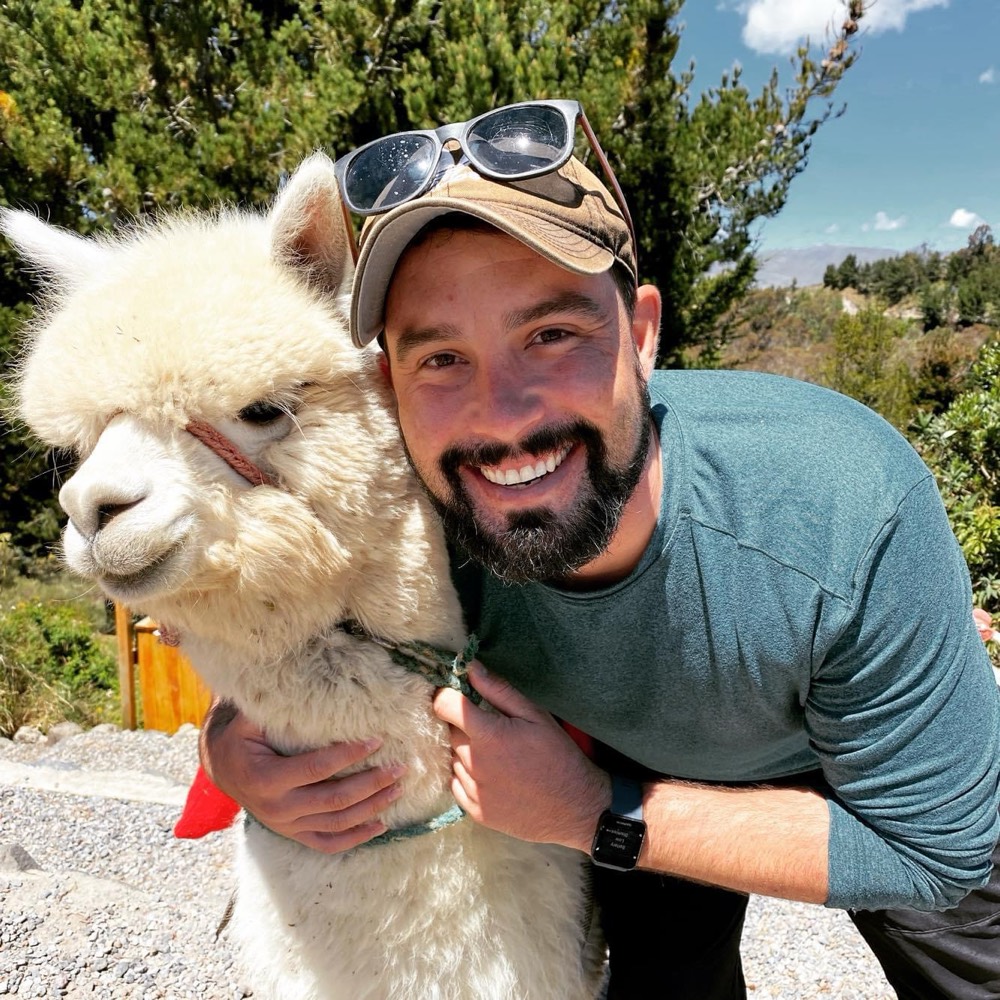
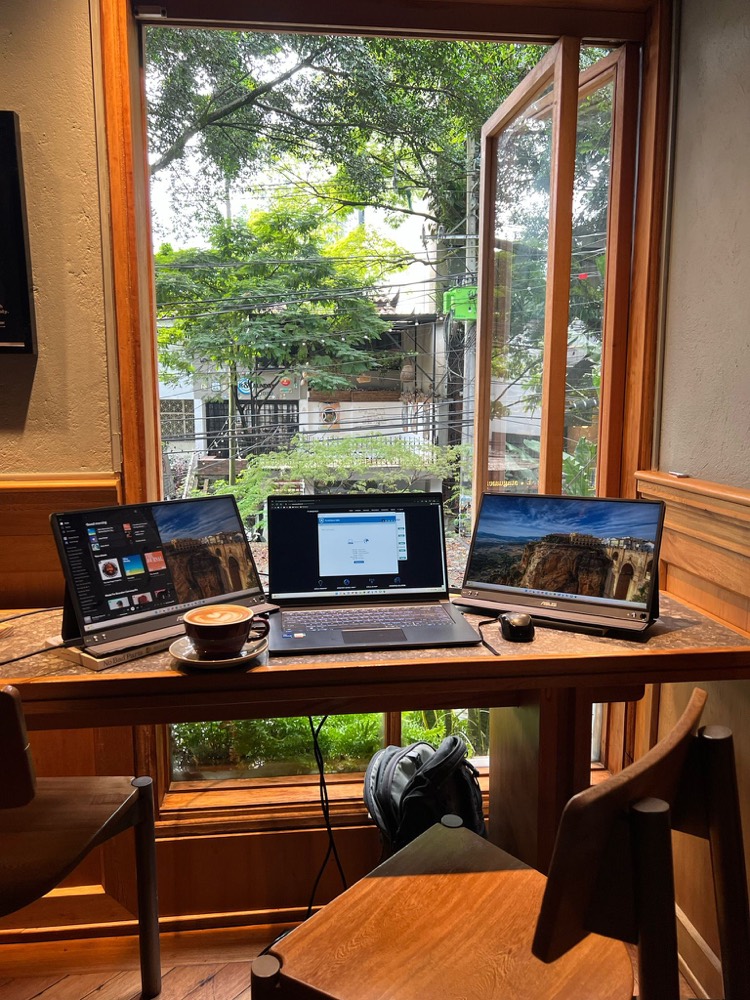
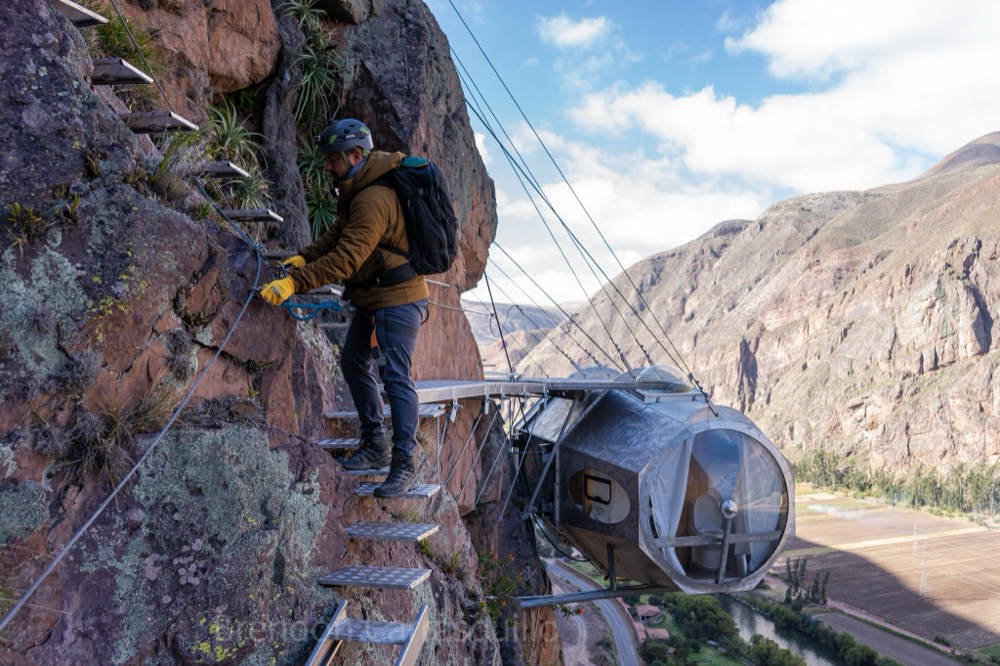
Most of my best thinking happens away from the desk. I hike with a camera, I'll spend a whole afternoon in a coffee shop that's worth it, and there's usually a next trip half-planned in a notes app somewhere.
That's also where Wander Wallet came from. Every feature in it started as something that annoyed me on the road — usually with bad wifi and a phone at twelve percent. Denver is home base now, which puts the mountains close enough to be a weeknight problem.
Looking for someone who owns the whole thing?
Open to remote roles and positions in the Denver metro, plus select freelance builds. Tell me what you're building.